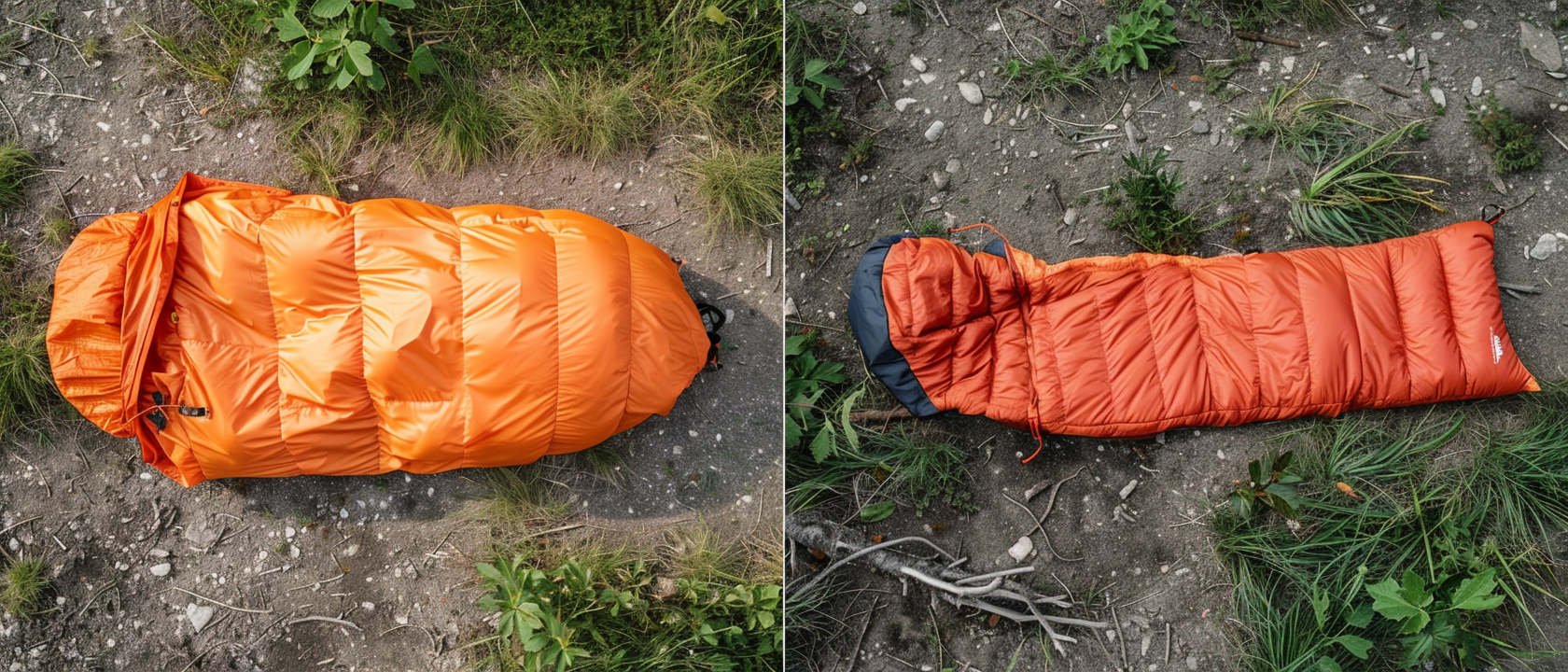
Emergency Bivvy vs Sleeping Bag: Which to Pack in Your Bug Out Bag
Should you pack an emergency bivvy or sleeping bag in your BOB? We compare weight, warmth, packability, and scenarios to help you choose.
Affiliate Disclosure: ZT1 Prep is reader-supported. When you buy through links on our site, we may earn an affiliate commission at no additional cost to you. This helps us keep creating practical preparedness content. Full disclosure.
Affiliate Disclosure: ZT1 Prep is reader-supported. When you buy through links on our site, we may earn an affiliate commission at no additional cost to you. This helps us keep creating practical preparedness content. Full disclosure.
Emergency Bivvy vs Sleeping Bag: Which Should You Pack?
Your sleep system is critical survival gear—exposure kills more people in emergencies than almost anything else. But weight matters in a bug out bag, so choosing the right shelter solution requires balancing warmth, weight, and packability.
Let’s break down when to choose an emergency bivvy versus a sleeping bag.
Quick Answer
Choose an emergency bivvy if: Weight is critical, you need maximum packability, or you’re building a get home bag or ultralight BOB.
Choose a sleeping bag if: You prioritize comfort, expect colder temperatures, or have a vehicle-based kit where weight matters less.
Best of both worlds: Pack an emergency bivvy as a backup/supplement to a lightweight sleeping bag.
Head-to-Head Comparison
| Feature | Emergency Bivvy | Sleeping Bag |
|---|---|---|
| Weight | 3-8 oz ✓ | 2-5 lbs |
| Packed size | Fits in pocket ✓ | Volleyball+ |
| Warmth rating | Reflects body heat | Rated temperatures ✓ |
| Comfort | Minimal | Good to excellent ✓ |
| Durability | Limited reuse | Years of use ✓ |
| Moisture handling | Can cause condensation | Breathable options ✓ |
| Cost | $10-40 ✓ | $40-300+ |
| Versatility | Emergency only | Camping, home use ✓ |
| Price | Check Price | Check Price |
When to Choose an Emergency Bivvy
An emergency bivvy is essentially a body-shaped bag made of reflective material (similar to emergency blankets but more durable and reusable). It works by reflecting your body heat back to you.
SOL Emergency Bivvy
Reflective emergency bivvy that retains 90% of body heat. Essential for every bag.
Pros
- Retains 90% body heat
- Weighs only 3.8 oz
- Reusable (unlike blankets)
Cons
- Can cause condensation inside
- Crinkly/noisy material
ℹ️ Get the bivvy, not the blanket - bivvy is reusable
Check Price on AmazonBest for:
- Get home bags where minimum weight is essential
- Ultralight bug out bags prioritizing mobility
- Backup shelter in addition to other sleep systems
- Car emergency kits where space is limited
- Warm climate emergencies where hypothermia risk is lower
Pros:
- Extremely lightweight (3-8 oz)
- Packs smaller than a soda can
- Reflects 90% of body heat
- Waterproof exterior
- Bright colors for signaling
- Affordable ($10-40)
Cons:
- Condensation builds inside (can make you damp)
- Not comfortable for extended use
- Less effective in extreme cold
- Noisy/crinkly material
- Limited durability (1-5 uses typically)
Pro Tip
Look for “bivvy” not “blanket.” Emergency blankets tear easily and aren’t reusable. Bivvies have reinforced seams and are designed for multiple uses.
When to Choose a Sleeping Bag
Sleeping bags use insulation (down or synthetic) to trap air and create warmth. They’re rated for specific temperatures and provide genuine comfort.
TETON Sports Celsius Sleeping Bag
Budget-friendly sleeping bag with excellent warmth-to-price ratio.
Pros
- Excellent value
- Multiple temperature ratings
- Full-length zipper
Cons
- Heavier than premium options
- Bulkier packed size
ℹ️ Check temperature rating - multiple versions available
Check Price on AmazonBest for:
- Home-based 72-hour kits where weight doesn’t matter
- Vehicle emergency kits with storage space
- Cold climate preparedness where hypothermia is a real risk
- Bug out bags when you can handle the weight
- Dual-use (emergencies + camping/outdoor recreation)
Pros:
- Genuine warmth with temperature ratings
- Comfortable enough to actually sleep
- Breathable materials reduce condensation
- Durable with years of use
- Multiple insulation and temperature options
Cons:
- Heavy (2-5+ lbs)
- Bulky packed size
- More expensive
- Requires protection from moisture
- Takes up significant pack space
Decision Tree: Which Is Right for You?
START: What's your primary kit?
│
├─ Get Home Bag → Emergency Bivvy
│
├─ Bug Out Bag
│   │
│   ├─ Weight limit under 20 lbs? → Emergency Bivvy (+ consider bag upgrade later)
│   │
│   ├─ Cold climate (winter nights below 40°F)? → Sleeping Bag
│   │
│   └─ Moderate climate, balanced approach? → Both (bivvy inside lightweight bag)
│
├─ Car Emergency Kit → Either works (lean toward sleeping bag if space allows)
│
└─ Home 72-Hour Kit → Sleeping Bag (weight doesn't matter)
The Best of Both Worlds
Many experienced preppers carry both:
- Lightweight sleeping bag (30-40°F rated, ~2 lbs) as primary
- Emergency bivvy as waterproof outer layer and backup
Using a bivvy over a sleeping bag:
- Adds waterproof protection
- Increases warmth by reflecting additional heat
- Provides redundancy if one fails
This combo adds only 4-8 oz to your sleeping bag weight while significantly increasing your temperature range and redundancy.
Temperature Performance
| Scenario | Emergency Bivvy | Budget Sleeping Bag | Quality Sleeping Bag |
|---|---|---|---|
| 60°F night | Comfortable | Too warm | Too warm |
| 50°F night | Adequate | Comfortable | Comfortable |
| 40°F night | Survivable | Adequate | Comfortable |
| 30°F night | Dangerous | Cold | Adequate |
| 20°F night | Dangerous | Dangerous | Adequate |
Key insight: Bivvies don’t generate heat—they reflect your body heat. If you’re already hypothermic, a bivvy won’t save you. If you’re generating heat, it helps retain it.
Our Recommendations
For Get Home Bags
Get an emergency bivvy. Weight and packability trump comfort for a kit designed to get you home in 12-24 hours.
Our pick: SOL Emergency Bivvy (~$25)
For Bug Out Bags (Moderate Climates)
Get both. A lightweight sleeping bag (30-40°F) plus an emergency bivvy gives you comfort, warmth range, and redundancy for around 2.5 lbs total.
For Bug Out Bags (Cold Climates)
Prioritize a quality sleeping bag. A bivvy alone won’t keep you alive in genuinely cold conditions. Get a bag rated 10-20°F below the coldest temps you expect.
For Car Kits
Get a sleeping bag. You have the space, and waiting for help in a cold vehicle is much more bearable with a real sleeping bag.
Frequently Asked Questions
Can an emergency bivvy keep you warm enough to survive?
How many times can you reuse an emergency bivvy?
Does condensation inside a bivvy make you colder?
What's the best ultralight sleeping bag for a BOB?
Should I pack an emergency blanket too?
Related:
ZT1 Prep Team
Practical preparedness for real life
Related Guides
Best Emergency Food for Bug Out Bags (Top 10)
Find the best emergency food for your bug out bag. We compare ration bars, freeze-dried meals, and calorie-dense options for 72-hour preparedness.
gearBest Emergency Radios for Bug Out Bags (Top 10)
Find the best emergency radio for your bug out bag. We compare hand-crank, solar, and battery options for weather alerts and emergency communication.
gearBest Fire Starters for Bug Out Bags (Top 10)
Find the most reliable fire starters for your bug out bag. We compare lighters, ferro rods, and tinder to help you choose the right fire-starting kit.