72-Hour Emergency Kit: Complete Checklist and Guide
Build a 72-hour emergency kit for your family. Complete checklist, recommended products, and how to prepare for any disaster that forces evacuation.
Affiliate Disclosure: ZT1 Prep is reader-supported. When you buy through links on our site, we may earn an affiliate commission at no additional cost to you. This helps us keep creating practical preparedness content. Full disclosure.
72-Hour Emergency Kit: Complete Checklist and Guide
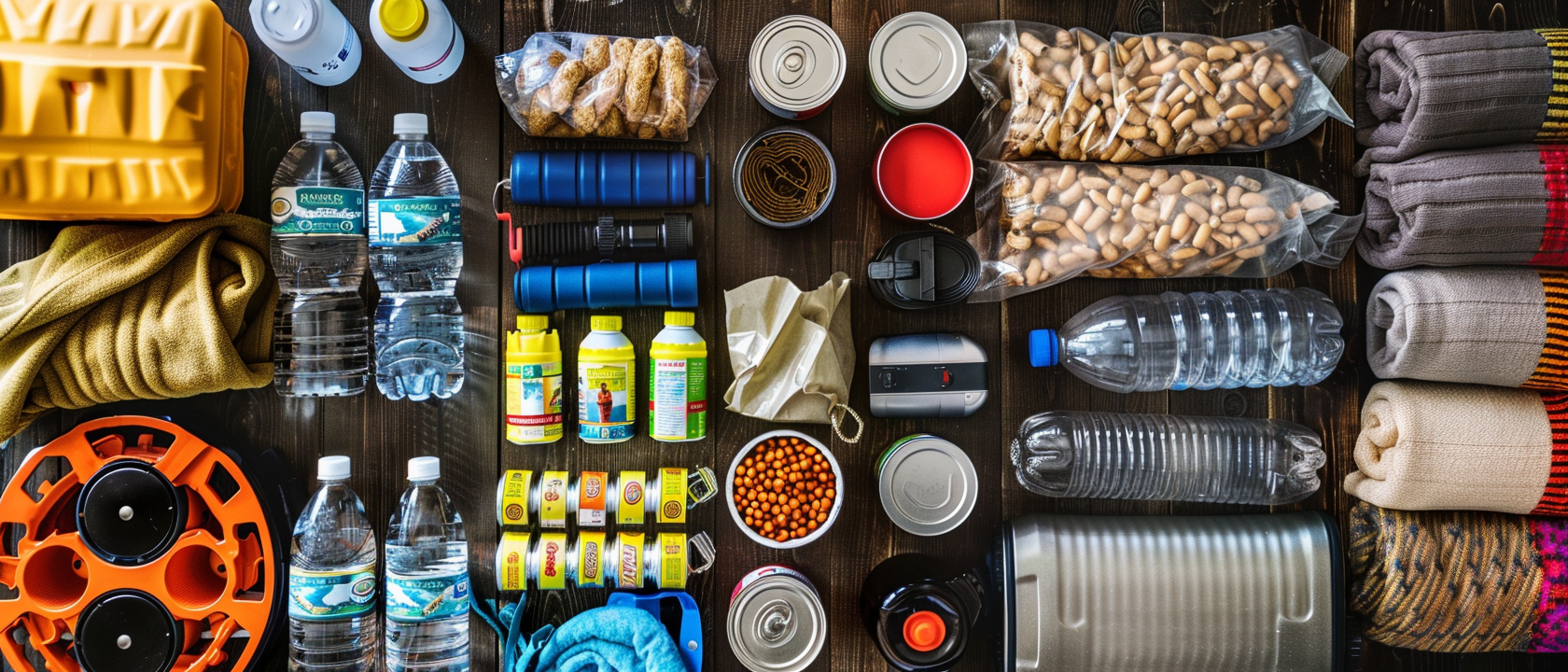
A 72-hour kit contains everything you need to survive for three days if you’re forced to evacuate your home. It’s the foundation of emergency preparedness—ready to grab and go when disaster strikes.
Whether you call it a 72-hour kit, go-bag, or emergency evacuation kit, the concept is the same: pre-packed supplies that sustain your family until you reach safety or help arrives.
Why 72 Hours?
The 72-hour timeframe comes from emergency management research:
- First responders typically establish aid stations within 72 hours
- Evacuation routes usually clear within 3 days
- Utility restoration often begins within this window
- Shelter availability increases after initial chaos
Note
72 hours is a minimum. Extended disasters (hurricanes, earthquakes, pandemics) can last weeks. Build your 72-hour kit first, then expand to 2-week and 30-day supplies at home.
72-Hour Kit vs. Bug Out Bag
These terms are often used interchangeably, but there are subtle differences:
| Feature | 72-Hour Kit | Bug Out Bag |
|---|---|---|
| Duration | 3 days | 3+ days, potentially longer |
| Focus | Evacuation to shelter | Self-reliance in wilderness |
| Weight | Can be heavier | Weight-optimized |
| Skills needed | Basic | More survival knowledge |
| Contains | Comfort items, documents | Survival tools, bushcraft gear |
For most families: Build a 72-hour kit. It covers the most likely scenarios (hurricanes, fires, chemical spills) where you’re evacuating to a shelter, hotel, or relatives’ home.
The 72-Hour Kit Checklist
Organize your kit by category. Check off items as you acquire them.
Water (Most Critical)
Water Supplies
- Water (1 gallon per person per day = 3 gallons each) Essential
-
-
- Collapsible water container Recommended
Options for water:
- Commercial bottled water (replace annually)
- Filled water containers (rotate every 6 months)
- Water pouches (5-year shelf life)
Food
Food Supplies
-
- Ready-to-eat meals (MREs or freeze-dried) Recommended
- High-calorie snacks (nuts, trail mix, jerky) Recommended
- Utensils (spork, can opener if needed) Recommended
- Special dietary foods if needed Essential
Infant formula, allergy-safe options
Datrex Emergency Food Bars
Coast Guard approved emergency rations. 5-year shelf life, non-thirst provoking.
Pros
- 5-year shelf life
- Coast Guard approved
- Non-thirst provoking
Cons
- Bland taste
- Not a complete diet
ℹ️ Check manufacture date for freshest stock
Check Price on AmazonEmergency food bars are ideal for 72-hour kits: long shelf life, compact, no preparation needed.
Shelter and Warmth
Shelter Items
-
- Emergency blanket (mylar) Essential
- Rain poncho Essential
- Extra clothing (weather appropriate) Essential
- Sturdy shoes/boots Essential
- Hat and gloves Recommended
- Hand warmers Recommended
Winter climates
First Aid
Surviveware Large First Aid Kit
Comprehensive 200-piece kit with MOLLE attachment. Great for families.
Pros
- 200 pieces
- Labeled compartments
- MOLLE compatible
Cons
- Larger/heavier
- Some fillers included
ℹ️ Check current contents - may vary by batch
Check Price on AmazonMedical Supplies
-
- Prescription medications (7+ day supply) Essential
- OTC medications (pain, allergy, antidiarrheal) Essential
- Glasses/contacts and solution Essential
If applicable
- Hand sanitizer Essential
- Sunscreen and insect repellent Recommended
- Feminine hygiene products Essential
If applicable
- Medical alert info/list of medications Essential
Light and Communication
Light and Comms
-
-
-
-
- Whistle (signaling) Essential
- Extra batteries Essential
Midland ER310 Emergency Radio
Multiple power options including hand crank and solar. NOAA weather alerts.
Pros
- 4 power sources
- NOAA weather alerts
- Built-in flashlight
Cons
- Crank is slow to charge
- Solar is supplemental only
ℹ️ ER310 is newer than ER300 - verify model
Check Price on AmazonA hand-crank radio ensures you receive emergency broadcasts even without power.
Documents and Money
Important Documents
- Copies of ID (driver's license, passport) Essential
- Insurance documents (home, auto, health) Essential
- Medical records summary Recommended
- Emergency contact list (printed) Essential
- Cash in small bills ($200+ recommended) Essential
- Credit/debit card Essential
-
- USB drive with digital copies Recommended
Warning
ATMs and card readers often fail during disasters. Cash is essential—keep mostly small bills ($1, $5, $10, $20) for flexibility.
Tools and Supplies
Tools
-
- Duct tape (small roll) Recommended
-
- N95 masks (5+) Recommended
- Lighter and/or matches Recommended
- Pen and paper Recommended
- Local maps (paper) Recommended
- Garbage bags (heavy duty) Recommended
- Zip ties Recommended
Personal and Comfort
Personal Items
- Toothbrush and toothpaste Recommended
- Soap (travel size) Recommended
- Toilet paper (compressed) Recommended
- Baby supplies (diapers, wipes, formula) Essential
If applicable
- Pet supplies (food, leash, carrier) Essential
If applicable
- Entertainment (cards, book, small toy) Optional
- Comfort item for children Optional
Building Your Kit: Step by Step
Step 1: Choose Your Container
| Container Type | Pros | Cons |
|---|---|---|
| Backpack | Portable, hands-free | Limited space |
| Duffel bag | More space, easy packing | Awkward to carry far |
| Wheeled luggage | Easy transport, maximum space | Not good on rough terrain |
| Plastic tote | Cheap, waterproof, stackable | Must be carried |
Recommendation: One backpack per adult (35-50L), supplemented by a duffel or tote for family supplies.
Step 2: Pack in Layers
- Bottom: Heavy items, things you’ll need last
- Middle: Clothing, shelter, bulky items
- Top: Frequently accessed items (food, water, first aid)
- Pockets: Critical items (documents, phone, wallet, flashlight)
Step 3: Make It Grabbable
Your kit should be:
- Packed and ready — Not “I know where everything is”
- In an accessible location — Not buried in storage
- Known to all family members — Everyone knows where it is
- Regularly checked — Batteries fresh, food unexpired
Family-Specific Considerations
Infants and Toddlers
- Formula and bottles
- Diapers and wipes (many)
- Baby food
- Favorite comfort items
- Child medications
- Portable crib/playpen (if evacuating by car)
School-Age Children
- Familiar snacks they’ll actually eat
- Small toys, books, or games
- Comfort item
- Copy of custody documents if relevant
- School emergency contact info
Elderly Family Members
- Extra medication supply
- Mobility aids
- Medical equipment (CPAP, oxygen—plan power needs)
- Large-print emergency info
- Hearing aid batteries
Pets
- 3+ days of food and water
- Collapsible bowls
- Leash, collar with ID tag
- Carrier or crate
- Pet first aid
- Vaccination records
- Photo for identification
Storage and Maintenance
Where to Store Your Kit
- Near an exit — Garage, front closet, mudroom
- One per car — Modified kit in each vehicle
- Work/school — Smaller kits at frequent locations
Maintenance Schedule
| Task | Frequency |
|---|---|
| Check batteries | Every 3 months |
| Rotate food | Annually |
| Rotate water | Every 6-12 months |
| Update medications | Monthly |
| Review documents | Annually |
| Test flashlight/radio | Every 3 months |
| Update clothing (size/season) | Twice yearly |
Pro Tip
Set calendar reminders for maintenance. Many people build excellent kits, then discover dead batteries or expired food when they actually need it.
Quick Start: Budget 72-Hour Kit
Build a basic kit for under $100:
| Item | Cost |
|---|---|
| Backpack (used or budget) | $20 |
| 3 gallons bottled water | $5 |
| Emergency food bars (3600 cal) | $10 |
| SOL Emergency Bivvy | $20 |
| Basic first aid kit | $15 |
| Flashlight + batteries | $10 |
| Emergency blanket (2) | $5 |
| Whistle | $3 |
| Documents (copies) | $5 |
| Misc (tape, rope, etc.) | $10 |
| Total | ~$100 |
Upgrade over time: better first aid, quality water filter, power bank, emergency radio.
Frequently Asked Questions
How heavy should my 72-hour kit be?
Should each family member have their own kit?
What about weapons for self-defense?
How is this different from a bug out bag?
Should I vacuum seal items?
Sources
- Ready.gov - Build a Kit
- FEMA Emergency Supply List
- Red Cross Emergency Preparedness
- Sensible Prepper - 72-Hour Kit
- The Prepared - Bug Out Bag Guide
Related:
ZT1 Prep Team
Practical preparedness for real life
Related Guides
How to Build a Bug Out Bag: Complete Beginner Guide + Checklist
Learn how to build a bug out bag from scratch. Complete checklist, packing priorities, weight guidance, and beginner-friendly gear recommendations.
guidesVehicle Emergency Kit: Complete Car Survival Checklist
Build a comprehensive vehicle emergency kit for breakdowns, accidents, and disasters. Essential gear every driver should keep in their car year-round.
guidesHow to Build a Get Home Bag: Complete Beginner Guide + Checklist
Build a compact get home bag to help you reach home during emergencies. Lightweight essentials, urban considerations, and a printable checklist.