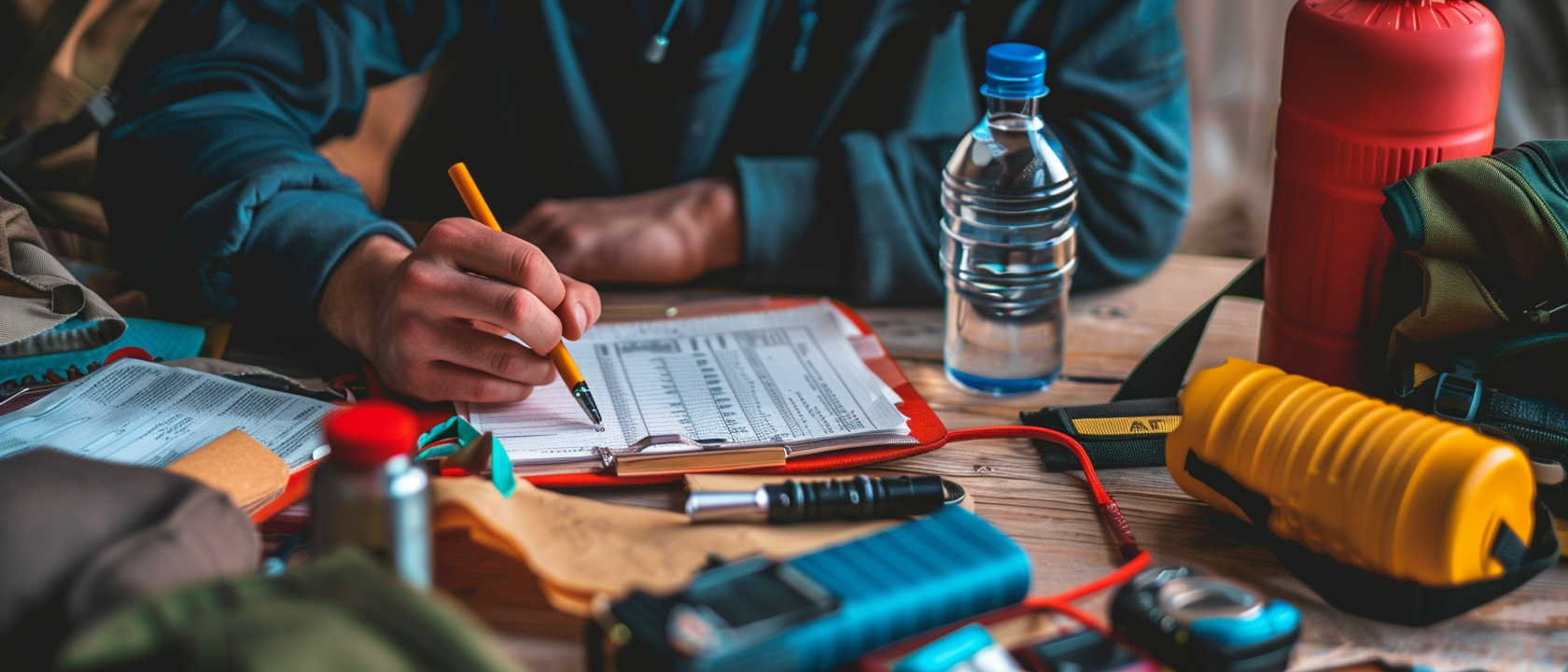
Everyday Readiness: Start Here (Zero to One)
New to preparedness? Start here. Learn practical, calm steps to go from zero readiness to confidently prepared—no fear-mongering, just what works.
Everyday Readiness: Start Here (Zero to One)
You don’t need a bunker. You don’t need to spend thousands of dollars. And you definitely don’t need to live in fear.
What you need is practical readiness for the situations that actually happen: power outages, car breakdowns, severe weather, and minor emergencies that disrupt daily life.
This guide is your starting point. We call it “Zero to One” because getting from completely unprepared to basically ready is the most important step you’ll ever take. Everything after that is refinement.
What Is Everyday Readiness?
Everyday readiness means being prepared for common disruptions without upending your life. It’s about:
- Having basics covered — water, light, first aid, and communication
- Building simple habits — keeping your car fueled, phone charged, and supplies rotated
- Staying calm and confident — knowing you have a plan when things go sideways
This isn’t about doomsday. It’s about handling a 3-day power outage, getting home when transit fails, or helping a neighbor after a storm.
The 80/20 Rule of Preparedness
About 80% of emergencies you’ll face can be handled with basic supplies and a clear head. Focus on the fundamentals first—they cover most situations.
Why “Zero to One” Matters Most
Here’s a truth most preparedness content won’t tell you: going from zero to basic readiness is far more valuable than going from good to great.
If you have nothing and a winter storm knocks out power for 48 hours, you’re in trouble. If you have a flashlight, water, blankets, and a way to heat food, you’re fine.
The difference between “I have nothing” and “I have the basics” is life-changing. The difference between “I have basics” and “I have a fully stocked bunker” is marginal for 99% of situations.
Start simple. Get to one. Then refine.
The Five Pillars of Everyday Readiness
1. Water
You can survive about 3 days without water. In most emergencies, tap water keeps flowing—but not always.
Starter goal: 1 gallon per person per day for 3 days = 3 gallons minimum per person.
- Store water in clean containers
- Keep a basic water filter in your kit
- Know how to purify water if needed
2. Light & Power
When the lights go out, everything feels harder. Simple lighting transforms an emergency from stressful to manageable.
Starter goal: 2+ flashlights (with batteries) and a way to charge your phone.
- Headlamps free your hands
- Keep a power bank charged
- Consider a hand-crank radio for information
3. Shelter & Warmth
Whether you’re stuck in your car, home without heat, or need to evacuate, temperature regulation matters.
Starter goal: Emergency blankets in your car, extra blankets at home, and layers you can grab.
- Emergency bivvies are lightweight insurance
- Sleeping bags work for home outages too
- Know your evacuation plan
4. First Aid
Most emergencies involve minor injuries—cuts, burns, sprains. Basic first aid handles 90% of cases.
Starter goal: A quality first aid kit at home and a small one in your car.
- Know how to use what’s in your kit
- Include any personal medications
- Check expiration dates yearly
5. Communication & Information
In emergencies, information is power. Knowing what’s happening and being able to reach family matters.
Starter goal: Emergency radio, charged phone, and a family communication plan.
- NOAA weather radio provides official alerts
- Have an out-of-area contact everyone can reach
- Keep important phone numbers written down
Your First Week: Five Actions
Ready to start? Here’s what to do this week—pick at least three:
Week One Actions
- Fill a few gallon jugs with tap water and store them Essential
- Put a flashlight by your bed and one in your car Essential
- Check your phone's emergency contacts are updated Essential
- Locate your home's water shutoff and circuit breaker Recommended
- Buy a basic first aid kit or check that yours is stocked Recommended
Common Emergencies to Prepare For
Not sure what you’re preparing for? Here are the most common scenarios in the US:
| Emergency | How Common | Duration | Key Needs |
|---|---|---|---|
| Power outage | Very common | Hours to days | Light, power, food preservation |
| Severe weather | Common | Hours to days | Shelter, water, information |
| Car breakdown | Common | Hours | Tools, phone, water, warmth |
| Water disruption | Occasional | Hours to days | Stored water, purification |
| Evacuation | Rare | Days | Bug out bag, documents, plan |
Build Your Foundation: The Three Bags
As you progress, you’ll hear about different “bags” or kits. Here’s how they work together:
Bug Out Bag (BOB)
A 72-hour kit you grab when you need to leave home quickly. Contains everything to survive independently for 3 days.
Build this if: You live in an area with evacuation risks (hurricanes, wildfires, floods).
Get Home Bag (GHB)
A compact bag in your car or office to help you get home during disruptions. Lighter than a BOB, focused on mobility.
Build this if: You commute to work or spend significant time away from home.
72-Hour Kit
Supplies for sheltering in place at home for 3+ days. Can be larger and less portable.
Build this if: You want a solid home foundation (everyone should have this).
Note
You don’t need all three immediately. Start with basic home supplies (72-hour kit mindset), then build a car kit, then consider a BOB if your situation warrants it.
What NOT to Worry About (Yet)
New preppers often get overwhelmed by extreme scenarios. Here’s what to deprioritize:
- Long-term food storage — Focus on 3 days first, then 2 weeks, then expand
- Weapons and security — Irrelevant for 99% of emergencies you’ll face
- EMP/nuclear scenarios — Statistically unlikely; basics handle most situations
- Expensive gear — Budget options work fine; upgrade later if you want
- Perfect optimization — Good enough beats perfect that never happens
Mindset Matters
The most important piece of preparedness isn’t gear—it’s mindset.
Stay calm. Panic makes everything worse. Preparation creates calm.
Stay flexible. Plans will change. Adapt to the situation, not the plan.
Help others. Prepared people can help neighbors and community. That’s the real goal.
Next Steps
Ready for more? Here’s your progression path:
- Complete the Week One Actions above
- Build a basic 72-hour kit for home
- Stock a car emergency kit
- Learn about water storage and purification
- If needed, build a bug out bag or get home bag
Frequently Asked Questions
How much should I spend to get started?
I rent an apartment—can I still prepare?
Isn't this just paranoid thinking?
What emergency should I prepare for first?
How do I get my family on board?
Remember: Going from zero to one is the hardest and most important step. You don’t need to be perfectly prepared—you just need to start.
Welcome to ZT1 Prep. Let’s get you ready.
ZT1 Prep Team
Practical preparedness for real life
Related Guides
How to Build a Bug Out Bag: Complete Beginner Guide + Checklist
Learn how to build a bug out bag from scratch. Complete checklist, packing priorities, weight guidance, and beginner-friendly gear recommendations.
guidesHow to Build a Get Home Bag: Complete Beginner Guide + Checklist
Build a compact get home bag to help you reach home during emergencies. Lightweight essentials, urban considerations, and a printable checklist.
guidesHam Radio Licensing for Preppers: Complete Beginner Guide
Learn how to get your ham radio license for emergency communications. We cover Technician, General, and Extra classes, exam prep, and recommended radios.