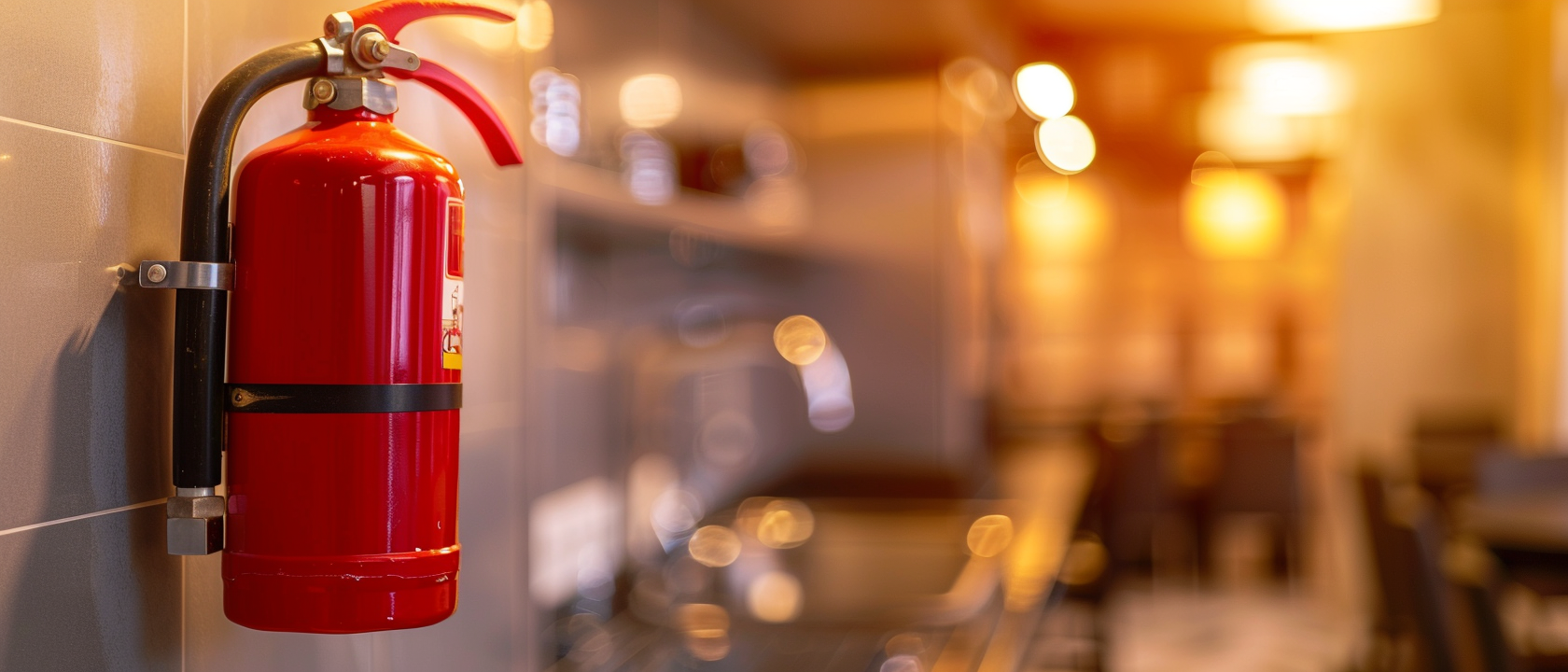
Best Fire Extinguishers for Home and Vehicle Emergency Kits
Choose the right fire extinguisher for your home and car. Types, ratings, placement, and our top picks for 2025.
Affiliate Disclosure: ZT1 Prep is reader-supported. When you buy through links on our site, we may earn an affiliate commission at no additional cost to you. This helps us keep creating practical preparedness content. Full disclosure.
Best Fire Extinguishers for Home and Vehicle Emergency Kits
A fire extinguisher can be the difference between a minor incident and a catastrophe. Most household fires start small—a quick response with the right extinguisher often prevents total loss.
This guide covers fire extinguisher types, ratings, where to place them, and our recommendations for home and vehicle use.
Quick Recommendations
| Location | Recommendation | Type |
|---|---|---|
| Kitchen | First Alert Kitchen | BC (grease fires) |
| General Home | Amerex B500 | ABC (all fires) |
| Garage/Workshop | Amerex B456 | ABC (larger) |
| Vehicle | H3R Halguard | BC (clean agent) |
Understanding Fire Extinguisher Ratings
Fire Classes
| Class | Fire Type | Examples |
|---|---|---|
| A | Ordinary combustibles | Wood, paper, cloth, trash |
| B | Flammable liquids | Gasoline, oil, grease, paint |
| C | Electrical equipment | Appliances, wiring, outlets |
| D | Combustible metals | Magnesium, titanium |
| K | Cooking oils | Deep fryers, commercial kitchens |
For homes: ABC-rated extinguishers cover the vast majority of household fires.
Size Ratings
The numbers before letters indicate capacity:
- 2A:10B:C — Standard home size
- 3A:40B:C — Larger, for garages/workshops
- 5B:C — Small, for vehicles
Higher numbers = more extinguishing agent = longer discharge time.
Pro Tip
For most homes, a 2A:10B:C extinguisher (about 5 lbs) is the minimum. It provides 10-15 seconds of discharge—enough for most small fires.
Extinguisher Types
Dry Chemical (ABC)
The most common home extinguisher. Works on A, B, and C fires.
Pros:
- Versatile (most fire types)
- Affordable
- Widely available
- Long shelf life
Cons:
- Messy cleanup (powder everywhere)
- Can damage electronics
- Corrosive if not cleaned
- Visibility reduced during use
Best for: General home use, garages, workshops
CO2 Extinguishers
Displaces oxygen to smother fires. No residue.
Pros:
- No cleanup residue
- Safe for electronics
- No secondary damage
Cons:
- Class B and C only (no wood/paper)
- Heavier for same capacity
- Cold discharge can cause frostbite
- Dissipates quickly outdoors
Best for: Computer rooms, electronics areas, commercial
Clean Agent (Halotron/Halguard)
Gas-based extinguishing without residue.
Pros:
- No cleanup
- Safe for electronics
- Effective on B and C fires
- Good for vehicles
Cons:
- More expensive
- May not handle Class A well
- Environmental concerns (some types)
Best for: Vehicles, electronic equipment, boats
Water/Foam
Traditional extinguishing method.
Pros:
- Excellent for Class A fires
- Cools burning materials
- Affordable
Cons:
- DANGEROUS on electrical fires
- Can spread grease fires
- Limited to Class A
Best for: NOT recommended for home use (ABC is better)
Top Fire Extinguisher Recommendations
Amerex B500 — Best for Home (General)
Amerex B500 Fire Extinguisher
Commercial-grade ABC fire extinguisher with metal valve assembly. The gold standard for home protection.
Pros
- 2A:10B:C rating
- Metal head construction
- 6-year warranty
Cons
- 6.3 lbs weight
- Dry chemical cleanup
ℹ️ B500 is 5lb ABC model
Check Price on AmazonThe Amerex B500 is the gold standard for home fire protection. It’s a commercial-grade extinguisher with residential pricing.
Specs:
- Rating: 2A:10B:C
- Weight: 6.3 lbs
- Agent: Dry chemical
- Discharge: 14 seconds
- Range: 15-21 feet
Why it’s great:
- Metal head (not plastic like cheap models)
- All-metal valve assembly
- 6-year warranty
- Commercial grade reliability
- UL listed
Best for: Main home protection, garage
First Alert HOME1 — Budget Kitchen
First Alert HOME1 Kitchen Extinguisher
Compact BC-rated extinguisher designed for kitchen grease fires. Includes mounting bracket.
Pros
- Compact size
- BC rated for grease
- Mounting bracket included
Cons
- BC only (no Class A)
- 2.5 lbs small capacity
ℹ️ HOME1 is kitchen model
Check Price on AmazonCompact, affordable, and specifically designed for kitchen use where grease fires are common.
Specs:
- Rating: 5B:C
- Weight: 2.5 lbs
- Agent: Sodium bicarbonate
- Discharge: 8-10 seconds
- Range: 5-8 feet
Why it’s great:
- Perfect size for kitchen
- Mounting bracket included
- Affordable as secondary unit
- Easy for anyone to use
Note: This is BC-rated only. For full coverage, pair with an ABC extinguisher.
Best for: Kitchen secondary unit
H3R Halguard — Best for Vehicle
H3R Halguard Clean Agent Extinguisher
Clean agent fire extinguisher that leaves no residue. Perfect for vehicles and electronics.
Pros
- No residue cleanup
- Safe for electronics
- Compact for vehicles
Cons
- BC rated only
- More expensive
ℹ️ Halguard uses Halotron 1 agent
Check Price on AmazonClean agent extinguisher that won’t damage your vehicle’s interior or electronics.
Specs:
- Rating: 5B:C
- Weight: 2.5 lbs
- Agent: Halotron 1
- Discharge: 9 seconds
- Range: 6-10 feet
Why it’s great:
- No residue cleanup
- Won’t damage electronics
- Compact for vehicle storage
- Metal head construction
- Includes mounting bracket
Best for: Vehicles, boats, motorcycles
Comparison Table
| Model | Price | Rating | Weight | Type | Best For |
|---|---|---|---|---|---|
| Amerex B500 | $55-70 | 2A:10B:C | 6.3 lbs | Dry Chemical | General home |
| First Alert HOME1 | $20-30 | 5B:C | 2.5 lbs | Dry Chemical | Kitchen |
| H3R Halguard | $70-90 | 5B:C | 2.5 lbs | Clean Agent | Vehicle |
| Amerex B456 | $80-100 | 3A:40B:C | 10 lbs | Dry Chemical | Garage/Workshop |
Where to Place Fire Extinguishers
Minimum Recommendations
| Location | Type | Placement |
|---|---|---|
| Kitchen | BC or ABC | Near exit, away from stove |
| Garage | ABC (larger) | Near door to house |
| Each floor | ABC | Near stairs or exit |
| Master bedroom | ABC | Accessible in emergency |
| Vehicle | BC | Driver accessible |
Placement Rules
- Near exits — So you can escape if fire grows
- Not over stove — You’d reach through flames
- Visible — Everyone should know location
- Accessible — Not buried behind items
- Mounted — Off floor, easy to grab (3.5-5 ft height)
- Temperature stable — Not in freezing/extreme heat
Warning
Kitchen placement: Mount NEAR the kitchen but not directly over the stove. If the stove catches fire, you don’t want to reach through flames to grab the extinguisher.
How to Use a Fire Extinguisher: PASS
Remember PASS:
- Pull the pin
- Aim at the base of the fire
- Squeeze the handle
- Sweep side to side
Important: Stay 6-8 feet back. Move closer as fire diminishes. Always have an escape route behind you.
When NOT to Fight a Fire
Evacuate instead if:
- Fire is larger than a wastebasket
- Fire is spreading rapidly
- Room is filling with smoke
- Your escape route is threatened
- You have any doubt
Your life is worth more than property.
Maintenance and Inspection
Monthly Checks
- Extinguisher is in designated location
- No visible damage or corrosion
- Pressure gauge in green zone
- Pin and seal intact
- No obstructions to access
Annual Professional Inspection
- Required for commercial
- Recommended for home
- Tags document inspection date
- Internal inspection every 6 years
- Hydrostatic testing per schedule
Replacement Schedule
| Type | Typical Life | Maintenance |
|---|---|---|
| Disposable | 12 years | Replace when expired |
| Rechargeable | 5-6 years | Service/recharge |
| Clean agent | 5-6 years | Professional service |
Note
Check the manufacture date on the label. Most disposable extinguishers have a 12-year life. After that, even if the gauge shows charged, internal components may have degraded.
How Many Do You Need?
Minimum setup:
- 1 kitchen (BC rated minimum)
- 1 per floor (ABC rated)
- 1 garage (ABC rated, larger)
- 1 per vehicle
Better setup:
- Kitchen (BC) + ABC within reach
- Each floor + basement
- Garage + workshop
- Both vehicles
- Near fuel/heat sources
Budget Recommendations
Under $50:
- First Alert HOME1 for kitchen
- First Alert PRO5 for general use
$50-100:
- Amerex B500 (2A:10B:C) — Best value
- One per floor
Premium:
- Amerex B456 (3A:40B:C) for garage/workshop
- H3R Halguard for vehicles
- Kidde Pro 210 for additional coverage
Frequently Asked Questions
How long does a fire extinguisher last?
Can I use an ABC extinguisher on a grease fire?
Should I recharge or replace my extinguisher?
What about fire blankets?
Do I need to train my family?
Sources
- NFPA Fire Extinguisher Selection
- FEMA Fire Extinguisher Basics
- Sensible Prepper - Fire Safety
- Consumer Reports - Fire Extinguisher Guide
Related:
ZT1 Prep Team
Practical preparedness for real life
Related Guides
Best Rechargeable Lanterns for Emergency Preparedness
Top rechargeable lanterns and lights for power outages and emergencies. USB charging, solar options, and long runtime picks for 2025.
gearBest Headlamps for Emergency Preparedness
Top headlamps for power outages, emergencies, and bug out bags. Hands-free lighting with long runtimes and reliable performance.
gearBest Portable Power Stations for Emergency Preparedness
Top portable power stations and solar panels for power outages. Compare capacity, output, and solar charging for emergency backup power in 2025.