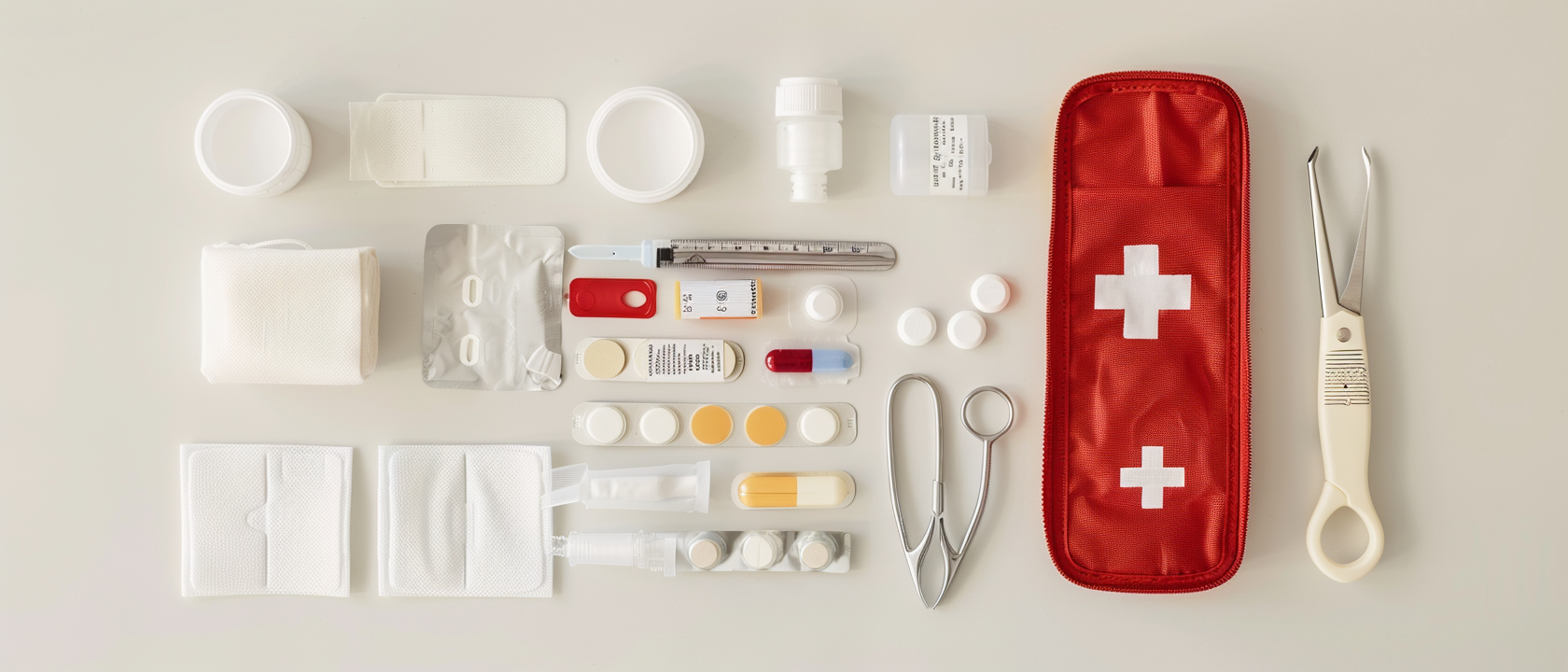
Best First Aid Kits for Bug Out Bags (Top 10)
Find the best first aid kit for your bug out bag. We compare trauma kits, compact options, and what to add for wilderness and emergency medical needs.
Affiliate Disclosure: ZT1 Prep is reader-supported. When you buy through links on our site, we may earn an affiliate commission at no additional cost to you. This helps us keep creating practical preparedness content. Full disclosure.
How We Recommend Gear
ZT1 Prep is reader-supported. When you purchase through our links, we may earn a commission—at no extra cost to you. This supports our mission to provide practical, trustworthy preparedness guidance.
- We never let affiliate relationships influence our recommendations
- We recommend products we'd actually use ourselves
- We're honest about what we've tested vs. researched
Best First Aid Kits for Bug Out Bags (Top 10)
In an emergency, even minor injuries can become serious without proper treatment. A well-stocked first aid kit is essential gear for your bug out bag—it handles everything from blisters and cuts to more serious trauma.
Here are our top picks for BOB first aid kits.
Quick Picks
| Rank | Product | Best For | Items | Weight | Price Range |
|---|---|---|---|---|---|
| 1 | Surviveware Large | Overall | 200+ | 2.5 lbs | $$ |
| 2 | Adventure Medical Kits Ultralight | Backpacking | 95 | 7.8 oz | $$ |
| 3 | MyMedic MyFAK | Trauma-Ready | 120+ | 1.5 lbs | $$$ |
| 4 | Surviveware Small | Compact | 100 | 1 lb | $ |
| 5 | Adventure Medical Mountain Series | Wilderness | 140+ | 1.8 lbs | $$$ |
What Makes a Good BOB First Aid Kit?
Your first aid kit should handle three categories of problems:
Minor issues:
- Blisters
- Small cuts and scrapes
- Splinters
- Headaches/pain
- Allergic reactions
Moderate injuries:
- Sprains and strains
- Larger wounds needing closure
- Burns
- Infections
Serious trauma:
- Heavy bleeding
- Fractures
- Puncture wounds
- Shock
Warning
A first aid kit is only as good as your knowledge. Take a wilderness first aid course or at minimum, watch tutorials on how to use every item in your kit. Practice before you need it.
Detailed Reviews
1. Surviveware Large First Aid Kit — Best Overall
Surviveware Large First Aid Kit
Comprehensive 200-piece kit with MOLLE attachment. Great for families.
What We Like
- 200 pieces
- Labeled compartments
- MOLLE compatible
- Includes trauma supplies
- Waterproof inner pouches
Considerations
- Larger/heavier
- Some fillers included
- May need customization
ℹ️ Check current contents - may vary by batch
Check Price on AmazonThe Surviveware Large provides comprehensive coverage without going overboard. It’s organized, well-stocked, and has room to add your own supplies.
Why it wins:
- 200+ pieces covering most scenarios
- MOLLE-compatible for pack attachment
- Labeled compartments for fast access
- Room to add personal medications
- Good quality components (not all cheap supplies)
Considerations:
- Larger and heavier than minimalist options
- May have items you don’t need
- Some prefer building custom kits
Best for: Primary BOB first aid, family preparedness
2. Adventure Medical Kits Ultralight .7 — Best Lightweight
Adventure Medical Kits Ultralight .7
Well-organized ultralight first aid kit designed for 1-2 people.
Pros
- Organized pouches
- DryFlex bags waterproof
- Lightweight (5.6 oz)
Cons
- May need to supplement
- Basic supplies only
ℹ️ Multiple sizes available - .7 is for 1-2 people
Check Price on AmazonFor weight-conscious builds, AMK’s Ultralight series delivers essential coverage at backpacking weights.
Why we like it:
- Only 7.8 oz
- Waterproof DryFlex bag
- Covers 1-4 people for 1-4 days
- Good wound care selection
- Compact enough for get home bags
Considerations:
- Limited supplies (designed for short trips)
- No trauma supplies (tourniquet, etc.)
- May need supplementing for extended use
Best for: Ultralight BOBs, get home bags, day-bag supplement
3. MyMedic MyFAK — Best Trauma-Ready
MyMedic kits are designed with real trauma in mind. The MyFAK bridges the gap between basic first aid and professional trauma kits.
Why we like it:
- Includes CAT tourniquet
- Chest seal included
- Israeli bandage
- Organized by injury type
- MOLLE compatible
Considerations:
- Higher price point
- Requires training to use trauma items
- Heavier than basic kits
Best for: Those with medical training, serious preparedness focus
4. Surviveware Small First Aid Kit — Best Compact
The smaller version of our top pick—same organization and quality in a more packable size.
Why we like it:
- 100 pieces in compact package
- Same quality as large version
- MOLLE compatible
- Good for get home bags
- Affordable
Considerations:
- Limited supplies for extended scenarios
- No trauma items
- May need supplementing
Best for: Get home bags, car kits, compact BOBs
5. Adventure Medical Mountain Series — Best Wilderness
Designed specifically for backcountry scenarios where help is hours or days away.
Why we like it:
- Comprehensive wound management
- Splinting materials included
- Detailed first aid guide included
- Organized by injury type
- Hospital-quality supplies
Considerations:
- Premium price
- Larger packed size
- May be overkill for urban scenarios
Best for: Wilderness BOBs, rural preparedness, extended scenarios
Essential Items to Add
Most pre-made kits need supplementing. Add these based on your needs:
High priority additions:
- Personal medications (prescription and OTC)
- Tourniquet (CAT or SOFTT-W)
- QuikClot or other hemostatic agent
- Israeli bandage or similar compression bandage
- Medical tape (multiple uses)
Consider adding:
- SAM splint
- Chest seal (if trained)
- Emergency blanket
- Tweezers (quality ones)
- Moleskin for blisters
Personal items:
- EpiPen if allergic
- Inhaler if asthmatic
- Any daily medications
- Glasses/contacts backup
Pro Tip
Vacuum-seal medications and rotate them annually. Heat, moisture, and age reduce medication effectiveness. Mark expiration dates clearly.
Building vs. Buying
| Approach | Pros | Cons | Best For |
|---|---|---|---|
| Pre-made kit | Convenient, organized, covers basics | Generic, may include unneeded items | Most people, starting point |
| Custom build | Tailored to your needs, quality control | Time-consuming, easy to forget items | Experienced users, specific needs |
| Hybrid | Best of both—start with kit, customize | Still requires knowledge to modify | Recommended approach |
Our recommendation: Buy a quality pre-made kit as your foundation, then add personal medications, upgrade key items, and remove things you won’t use.
First Aid Training
A kit without knowledge is just a bag of supplies. Consider:
Free resources:
- Red Cross first aid app
- YouTube tutorials (watch before you need them)
- FEMA emergency preparedness courses
Paid training:
- Wilderness First Aid (WFA) — 16 hours, highly recommended
- Wilderness First Responder (WFR) — 70-80 hours, comprehensive
- Stop the Bleed — Free courses focused on hemorrhage control
First Aid Training for Preppers: Where to Start
Our Recommendations
For Most Bug Out Bags
Surviveware Large — Comprehensive coverage, good organization, room to customize. Add a tourniquet and personal meds.
For Ultralight/Get Home Bags
Adventure Medical Ultralight .7 — Covers basics at minimal weight. Supplement with a tourniquet and any personal medications.
For Serious Preparedness
MyMedic MyFAK — Trauma-ready with quality components. Worth the investment if you have or will get training.
Our Top Picks
| Product | Best For | Key Features | Price |
|---|---|---|---|
| Surviveware Large First Aid Kit Comprehensive 200-piece kit with MOLLE attachment. Great for families. | Bug Out Bag Families |
| Check Price |
| Adventure Medical Kits Ultralight .7 Well-organized ultralight first aid kit designed for 1-2 people. | Get Home Bag Day Hikes |
| Check Price |
Frequently Asked Questions
Do I need a tourniquet in my first aid kit?
How often should I check/rotate my first aid kit?
What's the most important first aid skill to learn?
Should I include prescription medications?
Are cheap first aid kits worth buying?
Related:
ZT1 Prep Team
Practical preparedness for real life
Related Guides
Best Emergency Food for Bug Out Bags (Top 10)
Find the best emergency food for your bug out bag. We compare ration bars, freeze-dried meals, and calorie-dense options for 72-hour preparedness.
gearBest Emergency Radios for Bug Out Bags (Top 10)
Find the best emergency radio for your bug out bag. We compare hand-crank, solar, and battery options for weather alerts and emergency communication.
gearBest Fire Starters for Bug Out Bags (Top 10)
Find the most reliable fire starters for your bug out bag. We compare lighters, ferro rods, and tinder to help you choose the right fire-starting kit.