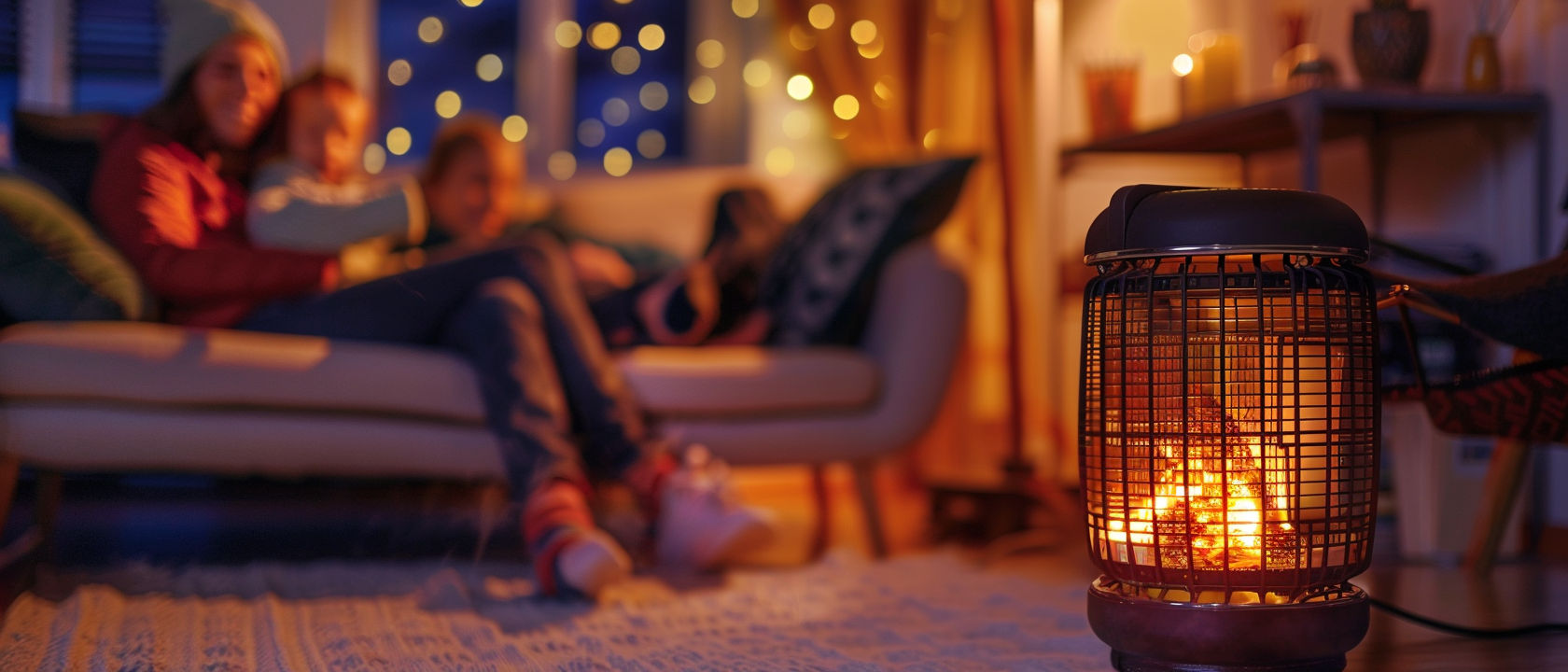
Best Indoor Propane Heaters for Emergency Heat
Top indoor-safe propane heaters for power outages and emergencies. Compare BTU output, safety features, and runtime for the best emergency heating options.
Affiliate Disclosure: ZT1 Prep is reader-supported. When you buy through links on our site, we may earn an affiliate commission at no additional cost to you. This helps us keep creating practical preparedness content. Full disclosure.
Best Indoor Propane Heaters for Emergency Heat
When the power goes out in winter, a portable propane heater can keep your family warm when nothing else works. Unlike generators that must run outside, indoor-rated propane heaters bring warmth directly into your living space.
This guide covers the safest and most effective propane heaters for emergency home heating.
Quick Picks
| Need | Recommendation | BTU | Price Range |
|---|---|---|---|
| Best Overall | Mr. Heater Big Buddy | 4,000-18,000 | $150-200 |
| Best Compact | Mr. Heater Buddy | 4,000-9,000 | $100-130 |
| Most Portable | Mr. Heater Little Buddy | 3,800 | $60-80 |
| Best for Garages | Dyna-Glo 60K BTU | 30,000-60,000 | $150-200 |
Critical Safety Information
Indoor Use Requirements
Only use heaters specifically rated for indoor use. These heaters have Oxygen Depletion Sensors (ODS) that shut off the heater if oxygen levels drop. Outdoor-only heaters lack this safety feature and can kill you.
Before using any propane heater indoors:
- Verify it’s rated for indoor use (has ODS)
- Install battery-powered CO detectors
- Provide ventilation (crack a window 1 inch)
- Keep away from combustibles (3 feet minimum)
- Never leave unattended while sleeping
- Have a fire extinguisher nearby
How to Size a Propane Heater
General rule: 20-30 BTU per square foot
| Room Size | BTU Needed |
|---|---|
| Small room (100 sq ft) | 2,000-3,000 BTU |
| Bedroom (150 sq ft) | 3,000-4,500 BTU |
| Living room (300 sq ft) | 6,000-9,000 BTU |
| Large room (500 sq ft) | 10,000-15,000 BTU |
For emergency heating: You don’t need to heat your whole house. Focus on one small room. A 4,000-9,000 BTU heater handles most emergency scenarios.
Top Indoor Propane Heaters
Mr. Heater Big Buddy — Best Overall
Mr. Heater Big Buddy
Larger propane heater with built-in fan. Heats up to 450 sq ft.
Pros
- 4,000-18,000 BTU (3 settings)
- Built-in fan for distribution
- Heats up to 450 sq ft
Cons
- Larger and heavier
- Fan requires batteries
ℹ️ Requires 4 D batteries for fan
Check Price on AmazonThe Big Buddy is the gold standard for indoor emergency heating. It can heat large spaces and runs on 1-lb cylinders or a 20-lb tank with an adapter.
Specs:
- BTU: 4,000 / 9,000 / 18,000 (three settings)
- Heating area: Up to 450 sq ft
- Fuel: 1-lb cylinders (2) or 20-lb tank with hose
- Runtime: 5.4 hours (high) to 108 hours (low) on 20-lb tank
- Weight: 17 lbs
Why it’s the best:
- Three heat settings for versatility
- Heats larger spaces than other portables
- Can connect to bulk propane tank
- Built-in fan for better heat distribution (requires 4 D batteries)
- Swivel regulators for easy tank connection
- ODS and tip-over safety shutoff
Drawbacks:
- Larger and heavier than Buddy
- Two 1-lb cylinders required for high setting
- Fan needs batteries
Best for: Families who need to heat a living room or large bedroom during extended outages.
Mr. Heater Buddy — Best Compact
Mr. Heater Portable Buddy
The most popular indoor-safe propane heater. Perfect size for emergency room heating.
Pros
- Indoor safe with ODS
- 4,000-9,000 BTU
- Works with 1-lb or 20-lb tanks
Cons
- No fan (convection only)
- Requires ventilation
ℹ️ Get adapter hose for 20-lb tank use
Check Price on AmazonThe original Buddy is the most popular indoor propane heater for good reason. It’s compact, reliable, and perfectly sized for a bedroom or small space.
Specs:
- BTU: 4,000 / 9,000 (two settings)
- Heating area: Up to 225 sq ft
- Fuel: 1-lb cylinder or 20-lb tank with hose
- Runtime: 5.4 hours (high) to 108 hours (low) on 20-lb tank
- Weight: 9 lbs
Why we like it:
- Perfect size for emergency room heating
- Easy to carry and store
- Works with single 1-lb cylinder
- Can connect to larger tank
- Fold-down handle for compact storage
- Time-tested reliability
Drawbacks:
- No fan (convection only)
- Less powerful than Big Buddy
Best for: Single room heating, couples, apartment dwellers.
Mr. Heater Little Buddy — Most Portable
Mr. Heater Little Buddy
Ultra-portable indoor-safe heater. Perfect for personal warmth in small spaces.
Pros
- Only 5.85 lbs
- Simple single-setting operation
- 5.5 hours per 1-lb cylinder
Cons
- Single heat setting only
- Limited heating capacity
ℹ️ Little Buddy vs Buddy - Little is smaller
Check Price on AmazonThe Little Buddy is the smallest Mr. Heater, perfect for personal warmth in a small space.
Specs:
- BTU: 3,800 (single setting)
- Heating area: Up to 95 sq ft
- Fuel: 1-lb cylinder only
- Runtime: 5.5 hours per cylinder
- Weight: 5.85 lbs
Why it works:
- Extremely portable and lightweight
- Simplest operation
- Good for very small spaces
- Low fuel consumption
- Affordable price point
Drawbacks:
- Single heat setting
- Limited heating capacity
- Can’t connect to bulk tank
Best for: Personal heating, very small rooms, camping, travel.
Dyna-Glo 60K BTU — Best for Garages/Workshops
Dyna-Glo 60K BTU Forced Air Heater
High-output forced air propane heater for garages and large spaces.
Pros
- 30,000-60,000 BTU adjustable
- Heats up to 1,350 sq ft
- Forced air spreads heat quickly
Cons
- Requires electricity for fan
- Not for small sealed rooms
ℹ️ Requires adequate ventilation
Check Price on AmazonFor large unheated spaces like garages or workshops, you need serious BTUs. The Dyna-Glo forced-air heater delivers.
Specs:
- BTU: 30,000-60,000 (adjustable)
- Heating area: Up to 1,350 sq ft
- Fuel: 20-lb propane tank (not included)
- Runtime: 14 hours (30K) to 7 hours (60K) on 20-lb tank
- Weight: 14 lbs
Why it’s powerful:
- Heats very large spaces quickly
- Forced-air design spreads heat
- Variable heat control
- Connects directly to propane tank
- Relatively quiet operation
Drawbacks:
- Requires electricity for fan
- Not rated for tight indoor spaces
- Higher fuel consumption
- Must use in ventilated areas
Best for: Garages, workshops, well-ventilated large spaces. NOT for bedrooms or sealed rooms.
Campy Gear 2-in-1 — Budget Portable
A more affordable option that doubles as a camp stove and heater.
Specs:
- BTU: 9,000 (heater mode)
- Heating area: Up to 200 sq ft
- Fuel: 1-lb propane cylinder
- Runtime: ~4 hours per cylinder
- Weight: 3.5 lbs
Why it’s versatile:
- Works as heater AND stove
- Very lightweight
- Affordable price
- Good for camping and emergencies
- Includes carry case
Drawbacks:
- Less safety features than Mr. Heater
- Not as well-tested for indoor use
- Smaller heating capacity
Best for: Budget-conscious buyers, camping crossover, small emergency backup.
Fuel Planning
1-lb Cylinders
- Pros: Portable, easy to connect, store anywhere
- Cons: Expensive per BTU, creates waste
- Best for: Short outages, portability needed
20-lb Tank with Adapter Hose
- Pros: Much cheaper per BTU, longer runtime, less waste
- Cons: Heavier, needs adapter hose ($20-30)
- Best for: Extended outages, home base heating
Runtime comparison (9,000 BTU setting):
| Fuel Source | Runtime | Cost Per Hour |
|---|---|---|
| 1-lb cylinder | 2.5 hours | ~$1.50/hour |
| 20-lb tank | ~50 hours | ~$0.40/hour |
Recommendation: Stock 10-20 1-lb cylinders for flexibility, plus one or two 20-lb tanks with an adapter hose for extended use.
Propane Storage Tips
- Store cylinders upright in a ventilated area
- Keep away from heat sources and direct sunlight
- Don’t store in living spaces or basements
- Check for leaks periodically (soapy water test)
- Propane doesn’t expire—stores indefinitely
- 20-lb tanks should be inspected every 10 years
Pro Tip
During winter storm season, keep your 20-lb tank outdoors but accessible. Bring only 1-lb cylinders inside for immediate use. Cold propane still works but flows slower—let cold cylinders warm up for 30 minutes before connecting.
Heater Maintenance
Before each season:
- Inspect burner and pilot for debris
- Check hose connections for cracks
- Test ODS by intentionally limiting airflow (heater should shut off)
- Clean exterior and control knobs
- Replace batteries in fan (Big Buddy)
After each use:
- Disconnect propane cylinder
- Store in dry location
- Protect from dust and debris
Frequently Asked Questions
Can I sleep with a propane heater on?
How much propane do I need for a 3-day outage?
Do I really need to crack a window?
Can I use my propane heater in an RV?
What's the difference between indoor and outdoor propane heaters?
Related Guides:
ZT1 Prep Team
Practical preparedness for real life
Related Guides
Power Outage Heating: How to Stay Warm Without Electricity
Lost power in winter? Learn safe emergency heating options, room isolation strategies, and how to prevent hypothermia during extended outages.
gearBest Hand Warmers for Emergency Preparedness
Top hand warmers for winter emergencies and cold weather. Compare disposable, rechargeable, and fuel-powered options for survival situations.
gearBest Portable Generators for Home Backup Power
Top portable generators for power outages and emergencies. Compare inverter vs conventional, wattage needs, and our picks for home backup in 2025.