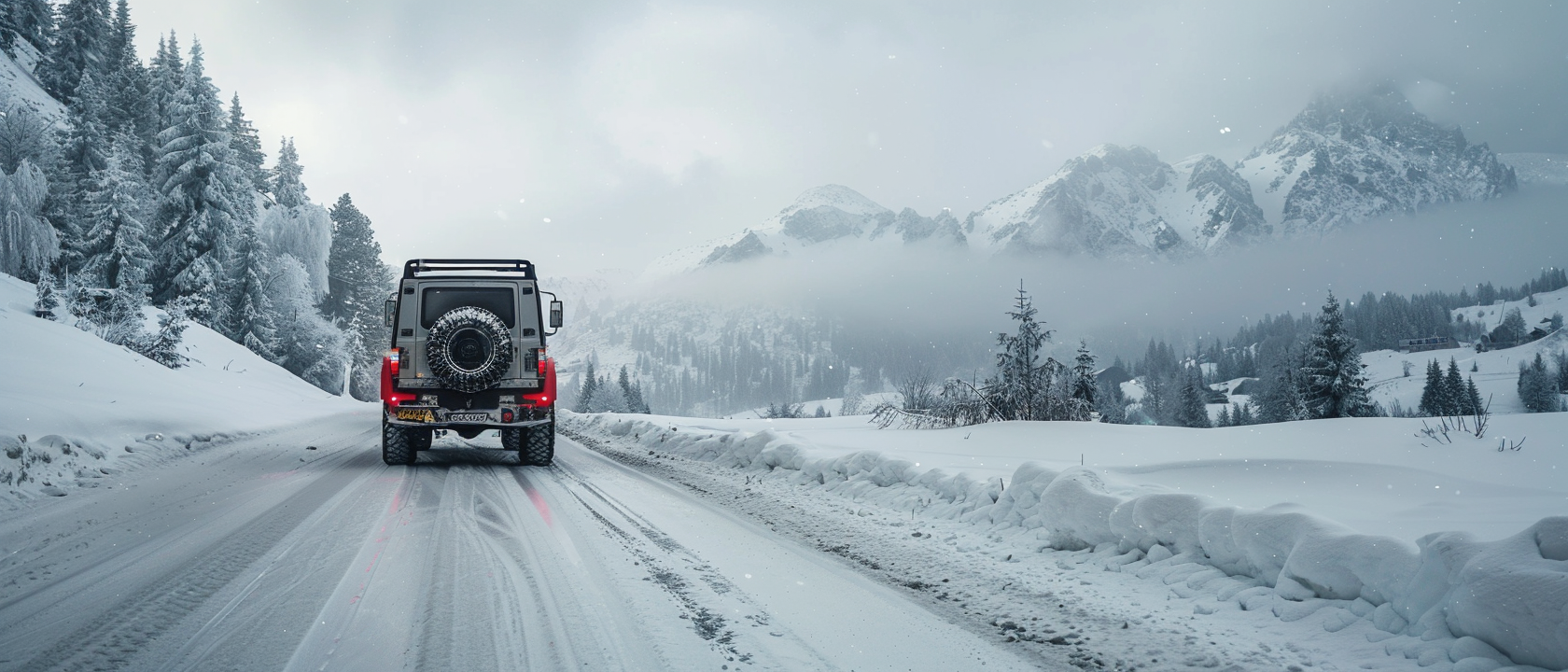
Best Tire Chains and Traction Devices for Winter Driving
Top tire chains, cables, and traction devices for snow and ice. Compare easy-install options for cars, trucks, and SUVs plus alternatives for emergencies.
Affiliate Disclosure: ZT1 Prep is reader-supported. When you buy through links on our site, we may earn an affiliate commission at no additional cost to you. This helps us keep creating practical preparedness content. Full disclosure.
Best Tire Chains and Traction Devices for Winter Driving
Tire chains provide traction that nothing else can match in deep snow and ice. In many mountain areas, they’re required by law during winter conditions. Even if you rarely need them, having a set in your trunk can get you out of situations that would otherwise leave you stranded.
This guide covers the best tire chains and traction devices for emergency winter preparedness.
Quick Picks
| Need | Recommendation | Type | Price Range |
|---|---|---|---|
| Best Overall | Security Chain Super Z6 | Cable Chain | $100-150 |
| Easiest Install | König XG-12 Pro | Self-Tensioning | $150-250 |
| Best for Trucks | Peerless Auto-Trac | Self-Tightening Chain | $120-180 |
| Best Budget | Quality Chain Quick Trak | Cable | $50-80 |
| Emergency Only | Trac-Grabber | Recovery Strap | $60-80 |
Types of Traction Devices
Traditional Tire Chains
- Best traction — Nothing beats chains in severe conditions
- Durability — Metal lasts many seasons
- Speed limit — Usually 25-30 mph max
- Noise/ride — Loudest, roughest ride
- Best for: Mountain driving, severe snow, commercial vehicles
Cable Chains
- Good traction — Nearly as good as chains, smoother
- Low clearance friendly — Works on most vehicles
- Easier install — Lighter and more flexible
- Less durable — Cable wears faster than chain
- Best for: Most passenger vehicles, low clearance cars
Self-Tensioning Chains
- Easiest install — Auto-tightening after mounting
- Good traction — Solid performance
- Higher price — Premium for convenience
- Best for: Those who hate chain installation
Textile/Fabric Chains
- Very easy install — Slip over tire like sock
- Moderate traction — Good for light snow/ice
- Limited durability — Wear out relatively fast
- Best for: Occasional light snow, last-resort backup
Recovery Traction Devices
- Emergency only — Gets you unstuck, not for driving
- No installation — Straps to wheel
- Very limited use — Move vehicle a few feet
- Best for: Emergency kits as backup
Top Tire Chains and Traction Devices
Security Chain Super Z6 — Best Overall
Security Chain Super Z6 Cable Chains
Z-pattern cable chains with excellent traction and low clearance requirements.
Pros
- Works on low clearance vehicles
- Z-pattern aggressive traction
- Easier install than chains
Cons
- Still requires practice
- Higher price than basic cables
ℹ️ Match exact tire size from sidewall
Check Price on AmazonThe Super Z6 is a cable chain hybrid that offers excellent traction with easier installation than traditional chains.
Specs:
- Type: Cable chain (Z-pattern)
- Clearance needed: Very low (fits most vehicles)
- Max speed: 30 mph
- Installation: Drape and connect
Why it’s the best:
- Works on low clearance vehicles
- Z-pattern provides aggressive traction
- Easier to install than traditional chains
- Built-in rubber tensioners
- Durable construction
- Wide size range available
Drawbacks:
- Still requires some practice to install
- Higher price than basic cables
- Need to check fit periodically
Best for: Most passenger vehicles, SUVs with limited wheel clearance.
König XG-12 Pro — Easiest Install
König XG-12 Pro Self-Tensioning Chains
Premium self-tensioning chains from Europe. Install and forget.
Pros
- Automatic tensioning
- Extremely low clearance (12mm)
- Premium European engineering
Cons
- Premium price
- May not fit all wheels
ℹ️ Check wheel clearance compatibility
Check Price on AmazonKönig makes the chains that professionals recommend for ease of use. The self-tensioning system eliminates re-tightening.
Specs:
- Type: Self-tensioning cable
- Clearance needed: 12mm (very low)
- Max speed: 30 mph
- Installation: No re-tensioning required
Why it stands out:
- Automatic tensioning—install and forget
- Extremely low clearance requirements
- Premium European engineering
- Very smooth ride for chains
- Quick mounting even in harsh conditions
Drawbacks:
- Premium price
- May not fit all wheel designs
- Overkill for occasional use
Best for: Frequent mountain drivers, those who value convenience.
Peerless Auto-Trac — Best for Trucks
Peerless Auto-Trac Light Truck Chains
Self-tightening traditional chains for trucks and SUVs. Maximum traction.
Pros
- Traditional chain traction
- Self-tightening system
- Handles heavy vehicles
Cons
- Requires more clearance
- Heavier to handle
ℹ️ Match tire size exactly
Check Price on AmazonFor trucks and SUVs that need serious traction, the Auto-Trac delivers with self-tightening traditional chains.
Specs:
- Type: Self-tightening chain
- Clearance needed: Standard
- Max speed: 25 mph
- Installation: Self-adjusting tension
Why we like it:
- Traditional chain traction (best possible)
- Self-tightening eliminates retensioning
- Handles heavy vehicles well
- Durable for frequent use
- Good for commercial applications
Drawbacks:
- Requires more clearance than cables
- Heavier to handle
- Rougher ride than cables
Best for: Trucks, full-size SUVs, anyone needing maximum traction.
Quality Chain Quick Trak — Best Budget
A solid, affordable option for occasional use that gets the job done without breaking the bank.
Specs:
- Type: Cable chain
- Clearance needed: Low
- Max speed: 30 mph
- Installation: Basic drape and connect
Why it works:
- Very affordable
- Adequate traction for most conditions
- Low clearance compatible
- Lighter weight for easy handling
- Good entry-level option
Drawbacks:
- Less durable than premium options
- Requires periodic retensioning
- May need replacement sooner
Best for: Budget-conscious buyers, occasional snow driving, emergency backup.
Trac-Grabber — Emergency Recovery
Trac-Grabber Emergency Traction Device
Emergency recovery straps that wrap around tires. Gets you unstuck from snow, mud, sand.
Pros
- Works for any tire size
- No chain installation
- Gets you out of stuck situations
Cons
- Not for driving - recovery only
- Limited to forward/backward motion
ℹ️ Buy set of 2 minimum
Check Price on AmazonNot chains but an emergency recovery device. Trac-Grabbers strap to your tire to get you unstuck from snow, mud, or sand.
Specs:
- Type: Recovery strap
- Use: Getting unstuck only
- Installation: Straps around tire
- Speed: Walking pace only
Why to keep them:
- Works when chains aren’t enough
- Gets you out of stuck situations
- No chain installation required
- Fits any tire size
- Small, easy to store
Drawbacks:
- Not for driving—recovery only
- Limited to forward/backward motion
- Not a replacement for chains
Best for: Emergency kit backup, getting unstuck from deep snow or mud.
How to Size Tire Chains
Chains must fit your exact tire size. Find your size on the tire sidewall:
Example: P225/65R17
- P = Passenger tire
- 225 = Width in mm
- 65 = Aspect ratio
- R = Radial
- 17 = Wheel diameter in inches
Important: Match the chain size chart exactly. Chains that are too small won’t fit, and chains that are too large won’t grip properly.
Check Your Vehicle Clearance
Some vehicles can’t use chains at all due to tight clearance around the wheel well. Check your owner’s manual. If it says “no chains,” look for low-clearance cable chains or textile alternatives. Using chains on a vehicle that can’t accommodate them damages the fender and suspension.
Installation Tips
Practice at home first:
- Don’t wait until you’re stranded in a blizzard
- Practice in your driveway at least once
- Time yourself—aim for under 10 minutes
Basic installation steps:
- Lay chains flat, untangled, behind the tire
- Drive forward slowly, centering tire on chains
- Connect the inner hooks first
- Connect the outer hooks and tensioner
- Drive 50 feet and check tension
- Retighten if necessary
Keys to success:
- Wear waterproof gloves (your hands will get cold/wet)
- Use a headlamp (you’ll likely be doing this in the dark)
- Carry a small tarp to kneel on
- Keep instructions with the chains
When to Use Chains
Required by law (chain control):
- R1: Chains required except 4WD with snow tires
- R2: Chains required on all vehicles
- R3: Chains required, no exceptions
When to put them on:
- Before you need them (when snow starts)
- At designated chain-up areas
- When you see warning signs
When to remove:
- When pavement is clear
- At designated chain-off areas
- When they start damaging the road
Alternative Traction Options
If chains aren’t practical for your vehicle:
| Alternative | Traction Level | Best For |
|---|---|---|
| Winter tires | Good | Season-long cold weather |
| Textile chains | Moderate | Light snow, backup |
| Tire socks | Moderate | Ice, light snow |
| Sand/cat litter | Emergency | Getting unstuck |
| Traction boards | Emergency | Getting unstuck |
Frequently Asked Questions
Can I drive with chains on dry pavement?
Do I put chains on front or rear tires?
How fast can I drive with chains?
Do I need chains if I have AWD?
Can chains damage my vehicle?
Related Guides:
ZT1 Prep Team
Practical preparedness for real life
Related Guides
Best Jump Starters for Cold Weather Emergencies
Top portable jump starters for dead batteries in winter. Compare lithium vs lead-acid, cold cranking amps, and our picks for emergency car kits.
gearBest Emergency Food for Bug Out Bags (Top 10)
Find the best emergency food for your bug out bag. We compare ration bars, freeze-dried meals, and calorie-dense options for 72-hour preparedness.
gearBest Emergency Radios for Bug Out Bags (Top 10)
Find the best emergency radio for your bug out bag. We compare hand-crank, solar, and battery options for weather alerts and emergency communication.