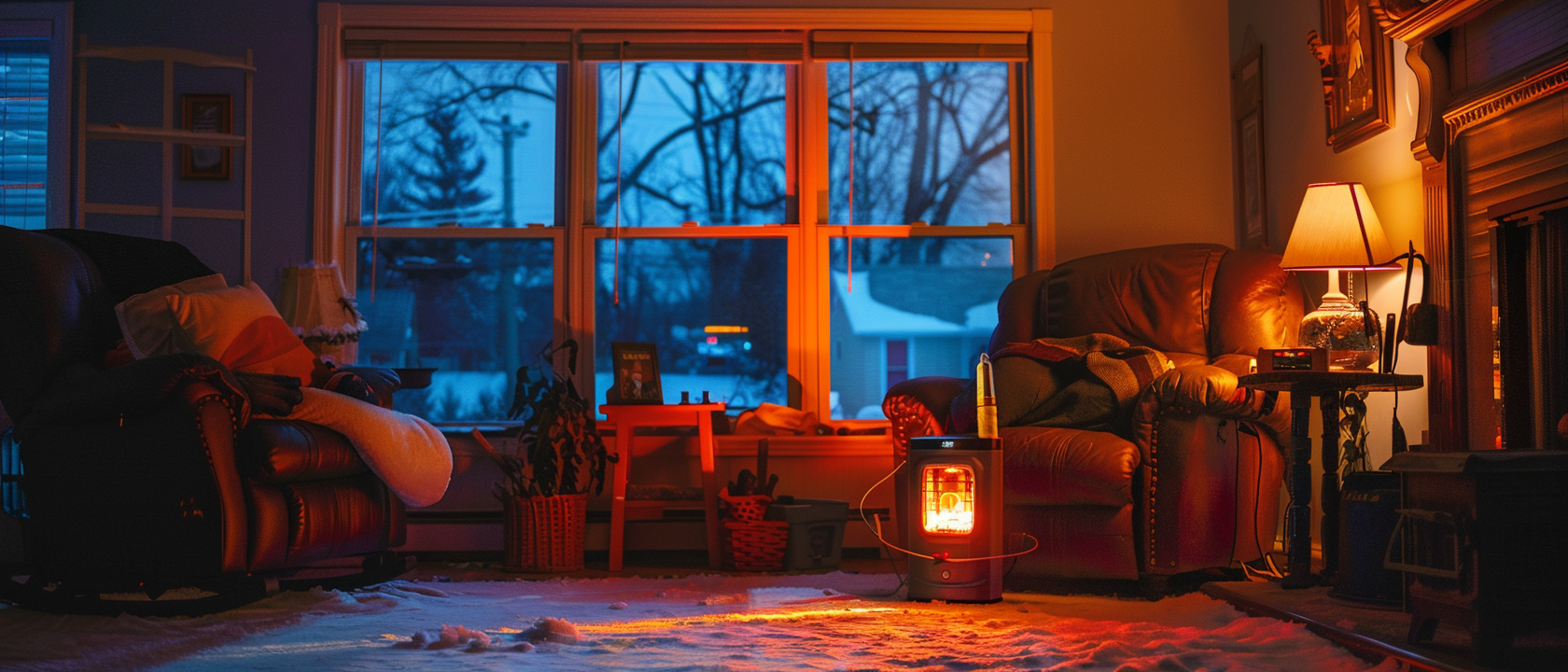
Power Outage Heating: How to Stay Warm Without Electricity
Lost power in winter? Learn safe emergency heating options, room isolation strategies, and how to prevent hypothermia during extended outages.
Affiliate Disclosure: ZT1 Prep is reader-supported. When you buy through links on our site, we may earn an affiliate commission at no additional cost to you. This helps us keep creating practical preparedness content. Full disclosure.
Power Outage Heating: How to Stay Warm Without Electricity
The power goes out. The temperature outside is 15°F and dropping. Your furnace is useless without electricity, and the forecast says it could be days before power is restored.
This scenario plays out thousands of times every winter. Knowing how to safely heat your home without electricity can mean the difference between discomfort and danger.
How Fast Does a House Get Cold?
Without heat, a house loses temperature faster than most people expect:
| Outside Temp | Time to Reach 50°F Inside | Time to Reach Freezing |
|---|---|---|
| 30°F | 8-12 hours | 24-36 hours |
| 20°F | 4-8 hours | 12-24 hours |
| 10°F | 2-4 hours | 8-12 hours |
| 0°F | 1-3 hours | 4-8 hours |
Times vary based on insulation, home size, and starting temperature
Bottom line: You have hours, not days, to establish alternative heating in cold weather.
Safe Emergency Heating Options
Carbon Monoxide Kills
Every winter storm brings CO poisoning deaths from improper heater use. Never use outdoor-only heaters, grills, or generators inside. Have battery-powered CO detectors on every level.
Option 1: Indoor-Safe Propane Heaters
The most popular and practical emergency heating option for most homes.
Best for: Small to medium rooms, apartments, homes without fireplaces
Mr. Heater Portable Buddy
The most popular indoor-safe propane heater. Perfect size for emergency room heating.
Pros
- Indoor safe with ODS
- 4,000-9,000 BTU
- Works with 1-lb or 20-lb tanks
Cons
- No fan (convection only)
- Requires ventilation
ℹ️ Get adapter hose for 20-lb tank use
Check Price on AmazonMr. Heater Big Buddy
Larger propane heater with built-in fan. Heats up to 450 sq ft.
Pros
- 4,000-18,000 BTU (3 settings)
- Built-in fan for distribution
- Heats up to 450 sq ft
Cons
- Larger and heavier
- Fan requires batteries
ℹ️ Requires 4 D batteries for fan
Check Price on AmazonWhy propane heaters work well:
- No electricity required
- Heats quickly (9,000-18,000 BTU)
- Propane stores indefinitely
- Indoor-rated models have oxygen depletion sensors (ODS)
- Relatively affordable ($75-150)
Safety requirements:
- Use ONLY indoor-rated models with ODS
- Have CO detectors (battery-powered)
- Provide ventilation (crack window 1 inch)
- Keep away from combustibles
- Turn off when sleeping
Fuel planning:
| Heater | 1-lb Cylinder Runtime | 20-lb Tank Runtime |
|---|---|---|
| Buddy (Low) | 5.4 hours | 108 hours |
| Buddy (High) | 2.4 hours | 48 hours |
| Big Buddy (Low) | 5.4 hours | 108 hours |
| Big Buddy (High) | 1.1 hours | 22 hours |
Recommendation: Stock 10-20 1-lb cylinders, plus a 20-lb tank with adapter hose.
Option 2: Kerosene Heaters
Higher heat output than propane, better for larger spaces.
Best for: Larger rooms, garages, very cold climates
Pros:
- High heat output (10,000-23,000 BTU)
- Kerosene is energy-dense
- Can heat larger areas
- Works in extremely cold temperatures
Cons:
- More fumes than propane
- Kerosene can be hard to find
- Requires more ventilation
- Fuel doesn’t store as long
Safety:
- Use only K-1 kerosene (not diesel)
- Requires more ventilation than propane
- Never refuel while hot
- Keep fire extinguisher nearby
Option 3: Wood Stove or Fireplace
If you have one, this is the ultimate backup heat source.
Pros:
- Unlimited heat potential
- Can also cook
- No fuel supply chain (if you have wood)
- Creates comfortable radiant heat
Cons:
- Requires existing installation
- Need dry, seasoned firewood
- Must be properly maintained
- Fire risk
If you use your fireplace:
- Use seasoned hardwood (oak, maple, hickory)
- Open damper fully
- Use a fireplace screen
- Clean ashes regularly
- Never leave unattended
Option 4: Generator + Space Heater
Use a generator to power electric space heaters.
Pros:
- Uses safe electric heat
- Can power other essentials
- Most familiar heat source
Cons:
- Generator MUST be outdoors
- Requires gasoline storage
- Expensive fuel consumption
- Extension cord limitations
Sizing: A 1500W space heater needs a 2000W+ generator. Add your other loads.
Option 5: Passive Heating Strategies
No fuel required—maximize what you have:
Body heat concentration:
- Everyone in one room
- Small, interior room (less exterior walls)
- Keep doors closed
Insulation improvements:
- Hang blankets over windows
- Roll towels under doors
- Cover bare floors with rugs/blankets
- Close blinds and curtains
Thermal mass:
- Heat water bottles or rocks (if you can)
- Place warm objects in sleeping bags before bed
Room Isolation Strategy
You can’t heat your whole house without a furnace. Focus on one room.
Choosing Your Warm Room
Best options:
- Small bedroom (less volume to heat)
- Interior room (fewer exterior walls)
- Room with minimal windows
- Away from north-facing walls
Avoid:
- Large open spaces
- Rooms with lots of windows
- Rooms over unheated garage
- Corners of the house
Setting Up Your Warm Room
- Choose the smallest practical room for your family
- Seal it off — Close all doors to the rest of the house
- Insulate windows — Hang blankets, sleeping bags, or plastic
- Block door gaps — Roll towels at the bottom
- Cover floor — Rugs and blankets trap air
- Set up sleeping area — Mattresses on floor, sleeping bags
- Place heater — Follow all safety guidelines
- Install CO detector — Essential with any fuel-burning heat
Temperature Goals
You don’t need 68°F to survive:
| Temperature | Comfort Level | Safety |
|---|---|---|
| 60-65°F | Comfortable with layers | Safe |
| 55-60°F | Cool, need sweaters | Safe |
| 50-55°F | Cold, need blankets | Safe for healthy adults |
| 45-50°F | Very cold, limit exposure | Risk for elderly/infants |
| Below 45°F | Dangerous without protection | Hypothermia risk |
Target: Keep your warm room above 50°F minimum. 55-60°F is manageable with layers.
Sleeping Warm Without Heat
Sleep is when you’re most vulnerable to cold. Prepare properly:
Sleeping Gear
Use sleeping bags, not blankets:
- Sleeping bags trap heat far better
- 20°F or 0°F rated bags are ideal
- Mummy style is warmest (less air space)
- Place on insulated surface (mattress, foam pad)
TETON Sports Mammoth Double Sleeping Bag
Massive double-wide sleeping bag for families. 0°F rated, zips apart into two bags.
Pros
- 0°F comfort rating
- Fits two adults easily
- Zips into two separate bags
Cons
- Very heavy (14 lbs)
- Large packed size
ℹ️ Mammoth vs regular TETON doubles
Check Price on AmazonBest Cold Weather Sleeping Bags →
Sleeping Tips
- Wear a hat (you lose significant heat through your head)
- Wear dry base layers (not cotton)
- Use hand/toe warmers inside the sleeping bag
- Don’t bury your face (creates moisture)
- Hot water bottle at your feet (if you can heat water)
- Share body heat (zip sleeping bags together)
Protecting Vulnerable Family Members
Infants and elderly are at highest risk:
- Keep them closest to heat source
- Check on them frequently
- Watch for signs of hypothermia
- Keep them well-fed and hydrated
- Don’t let them sleep alone
Signs of Hypothermia
Know the warning signs:
Early (Mild):
- Shivering
- Cold hands and feet
- Numbness
Moderate:
- Intense shivering
- Slurred speech
- Drowsiness
- Confusion
Severe:
- Shivering stops
- Extreme drowsiness
- Weak pulse
- Unconsciousness
If you see these signs:
- Move to warmest area
- Remove wet clothing
- Warm the core first (not extremities)
- Skin-to-skin contact under blankets
- Warm, sweet drinks if conscious
- Seek medical help for moderate/severe cases
Frequently Asked Questions
Can I use my gas oven for heat?
Is it safe to sleep with a propane heater on?
How much propane do I need for a 3-day outage?
What if I don't have any heating equipment?
At what point should I leave my house?
Related Guides:
ZT1 Prep Team
Practical preparedness for real life
Related Guides
Best Indoor Propane Heaters for Emergency Heat
Top indoor-safe propane heaters for power outages and emergencies. Compare BTU output, safety features, and runtime for the best emergency heating options.
guidesWinter Storm Preparedness: Complete Home Survival Guide
Prepare your home for winter storms and power outages. Complete checklist for heating, water, food, and staying safe when temperatures drop.
gearBest Hand Warmers for Emergency Preparedness
Top hand warmers for winter emergencies and cold weather. Compare disposable, rechargeable, and fuel-powered options for survival situations.